
Fixed Angle Centrifuge Rotors
Common Applications of Fixed-Angle Rotors:
- Cell harvesting and concentration
- Bacterial and yeast pelleting
- DNA, RNA, and plasmid purification
- Protein precipitation
- Subcellular fractionation
- Virus and biomolecule isolation
- High-speed and ultracentrifugation workflows
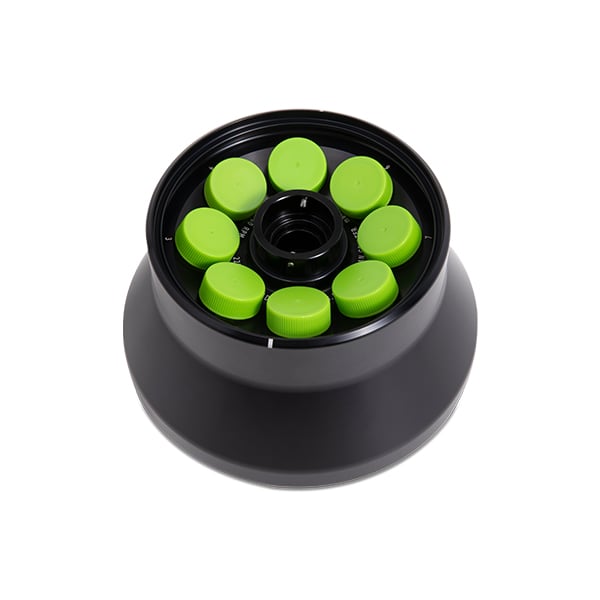
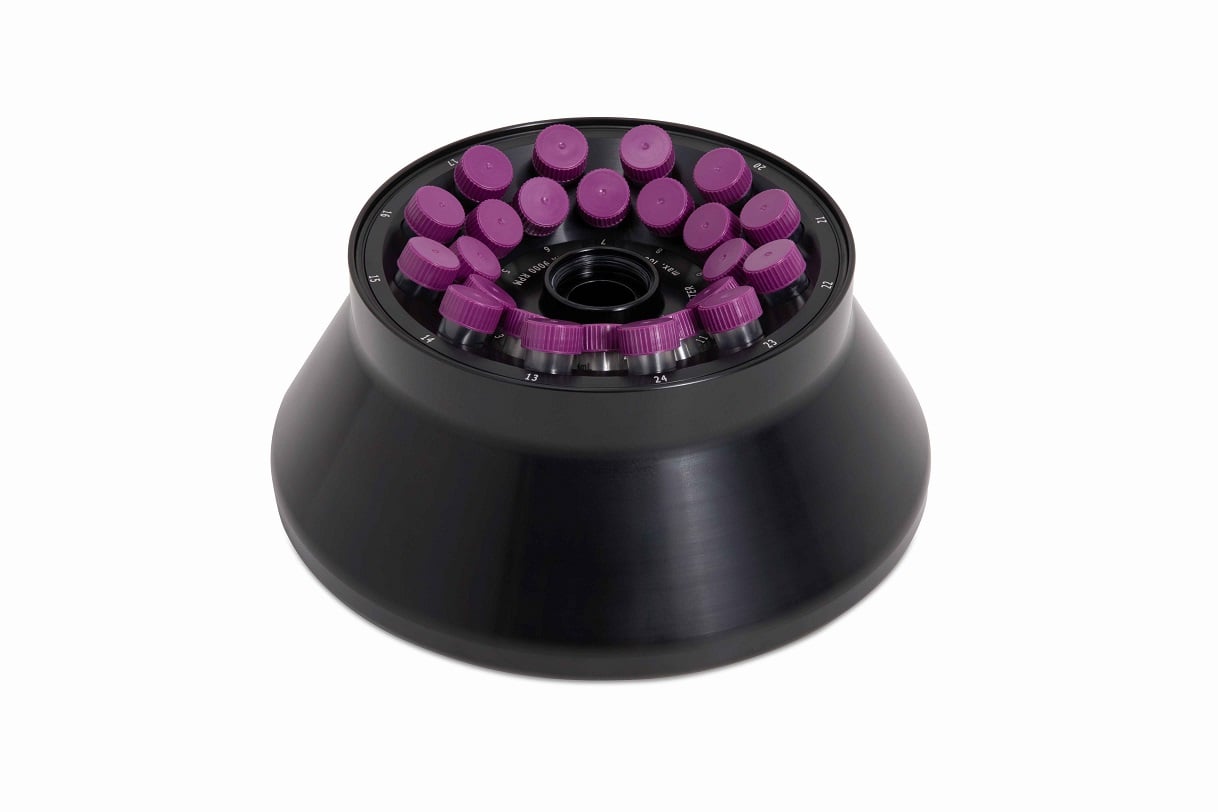
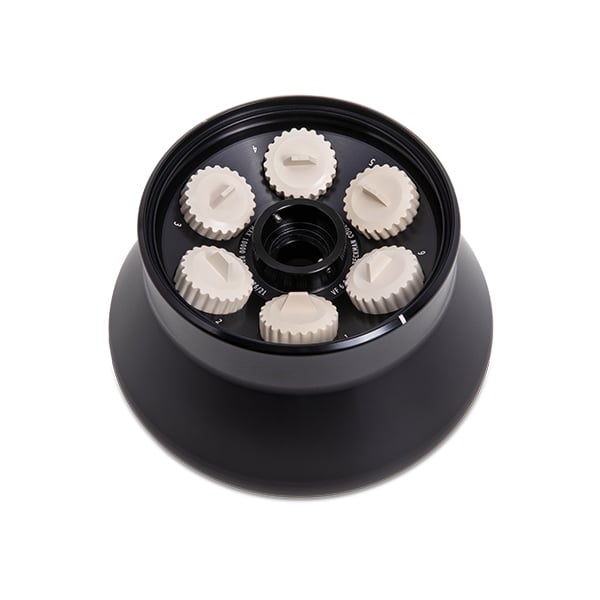
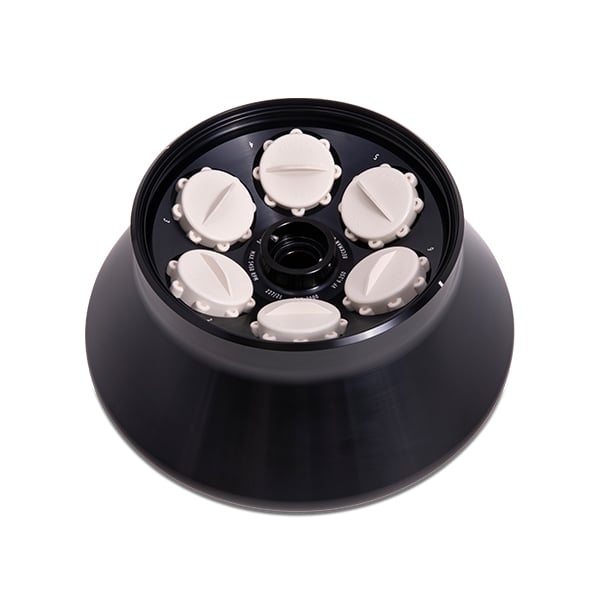
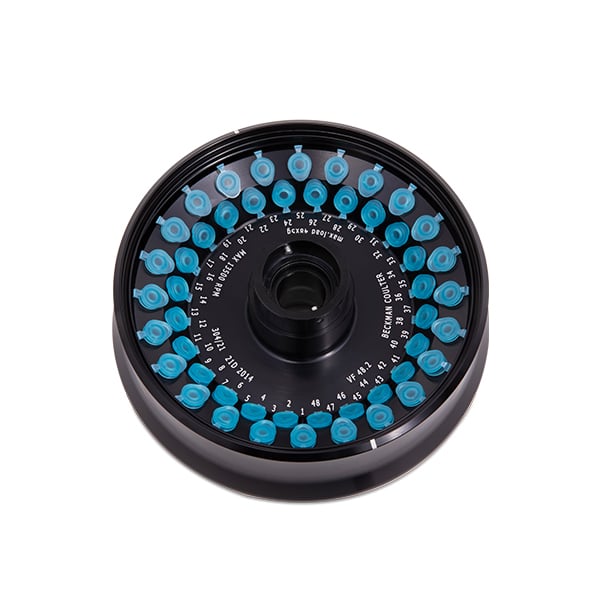
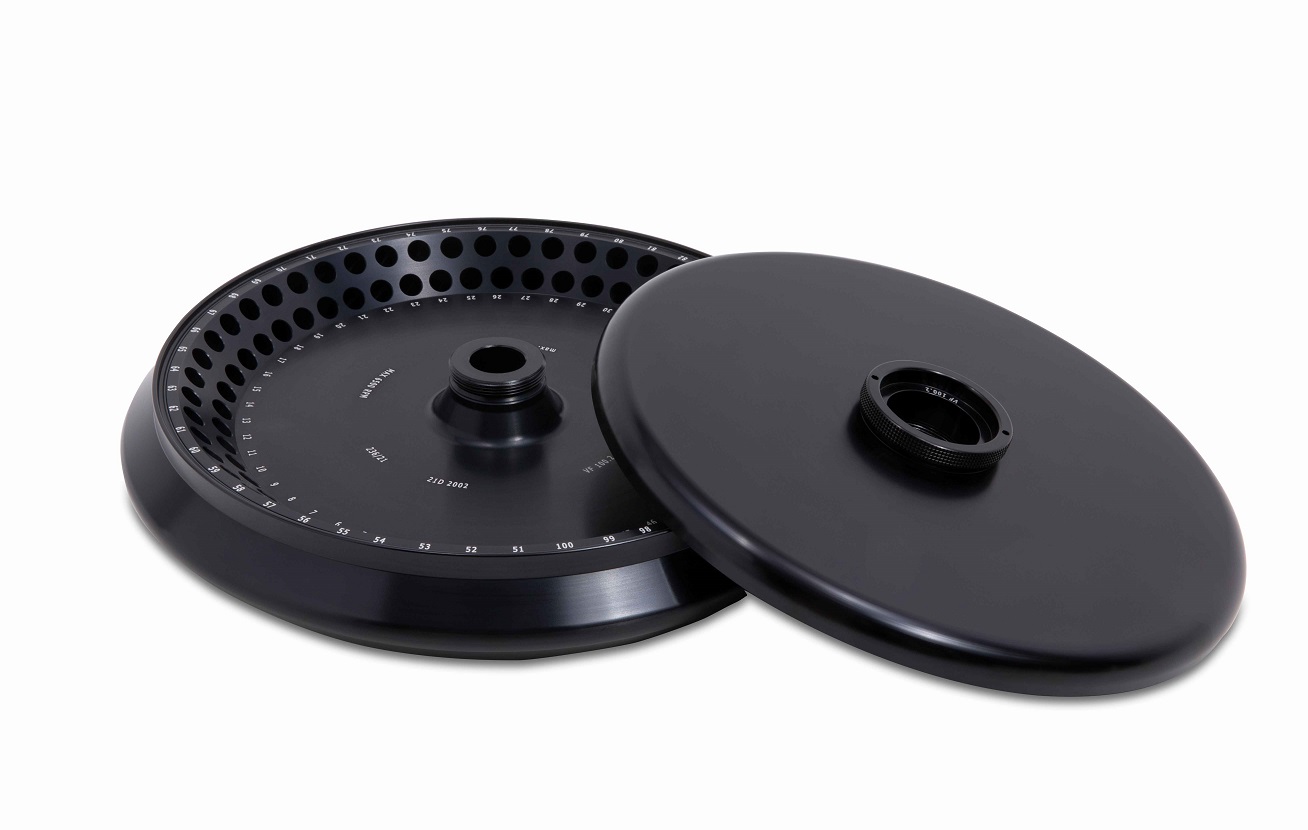
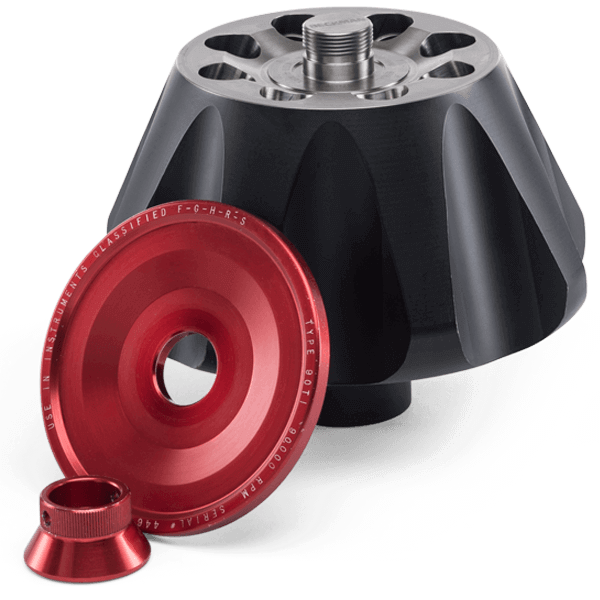
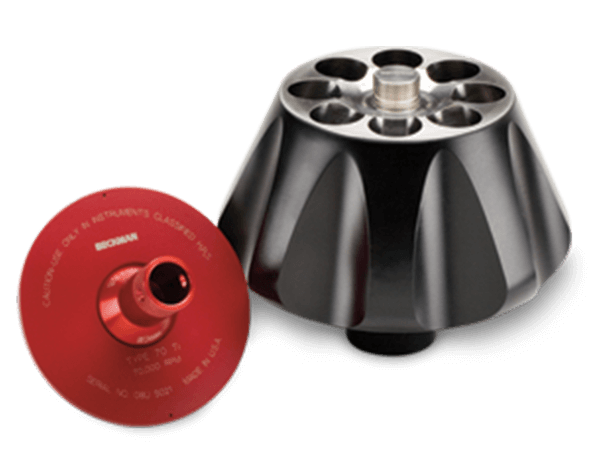
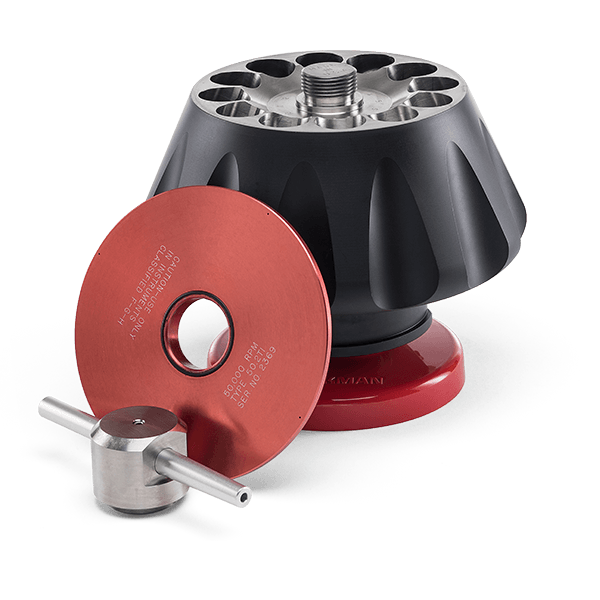
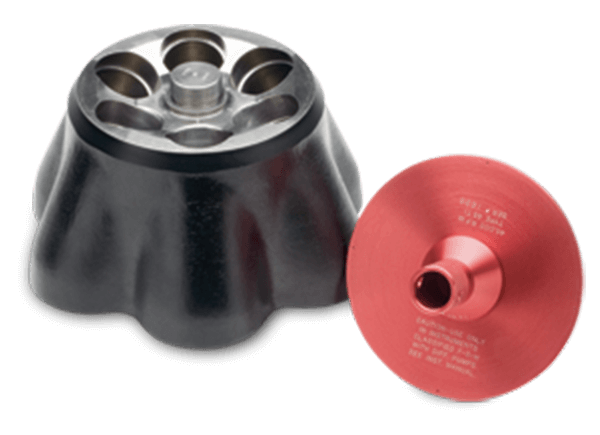
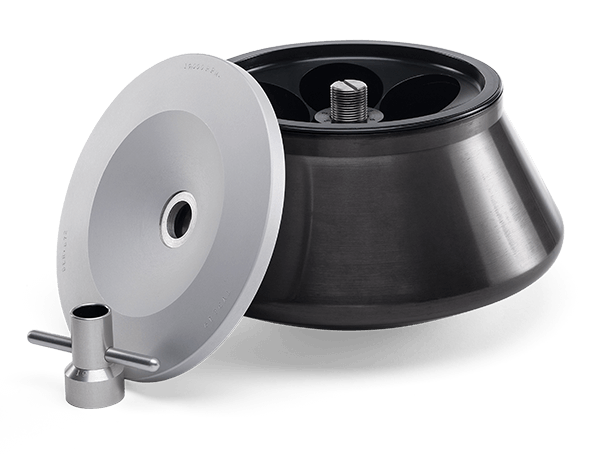
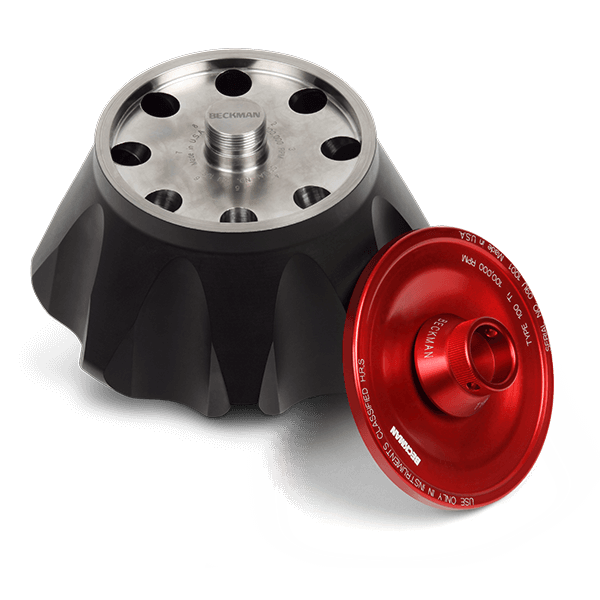
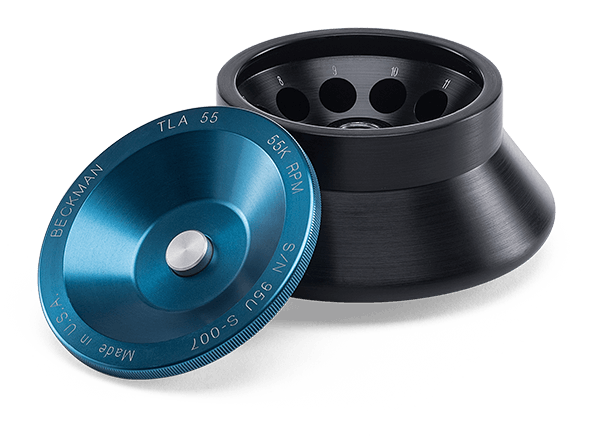
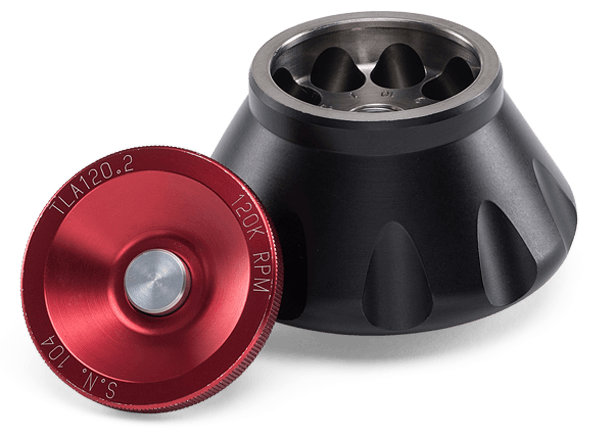
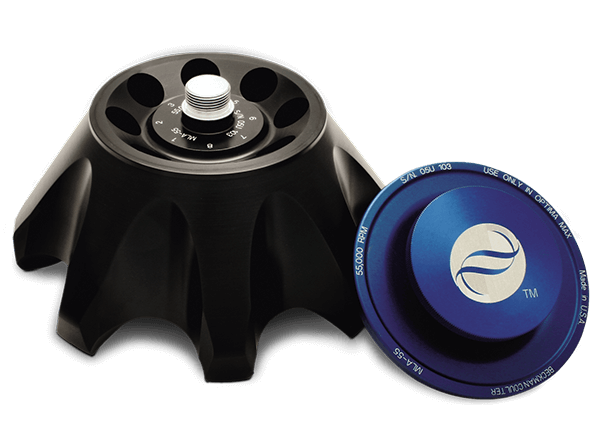
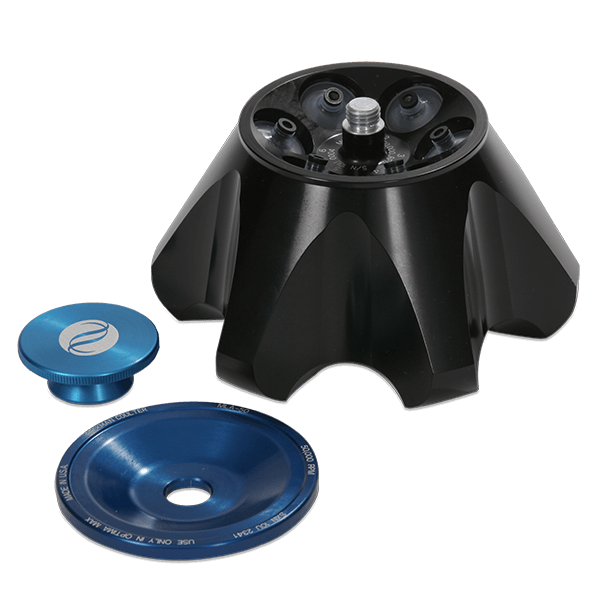
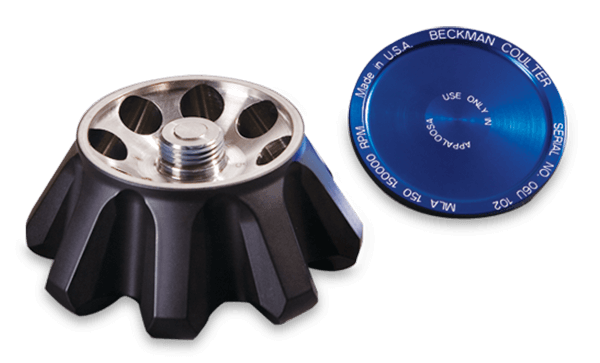
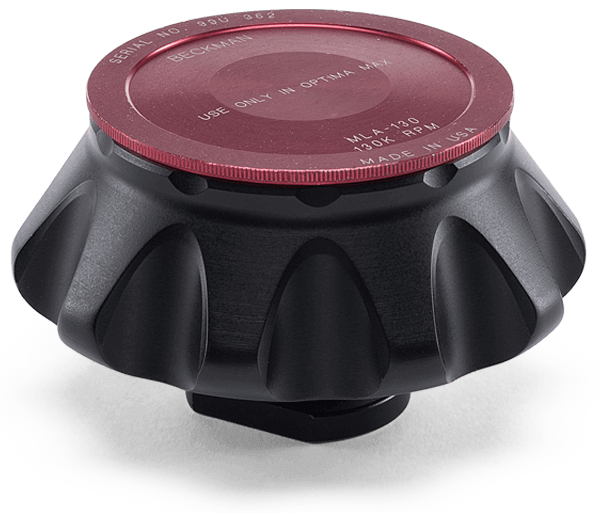
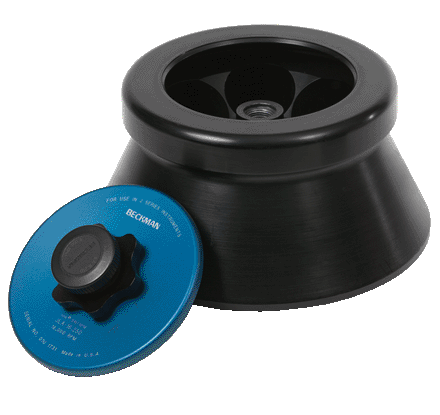
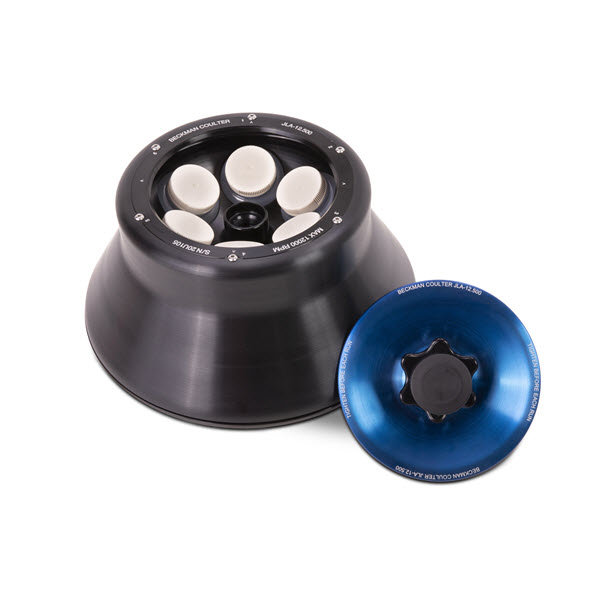
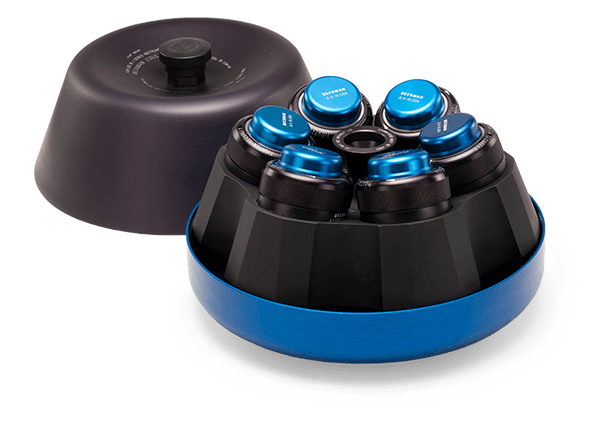
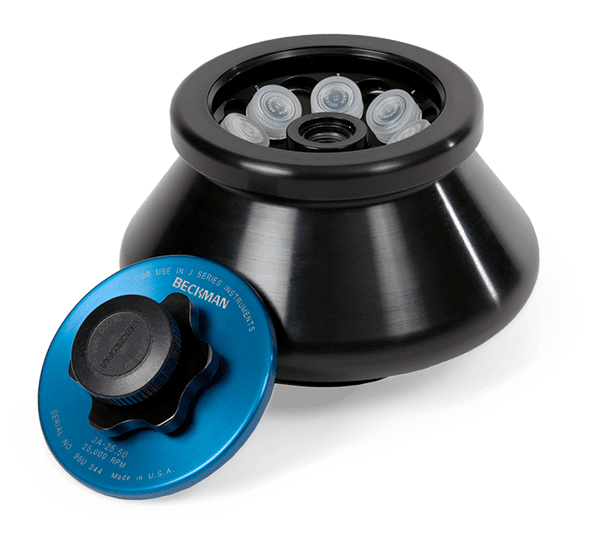
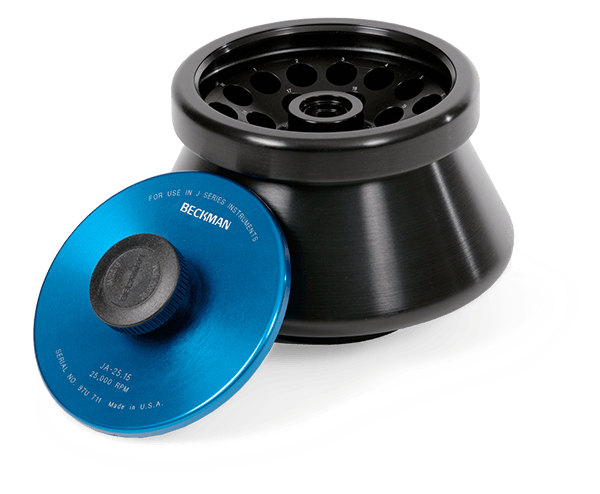
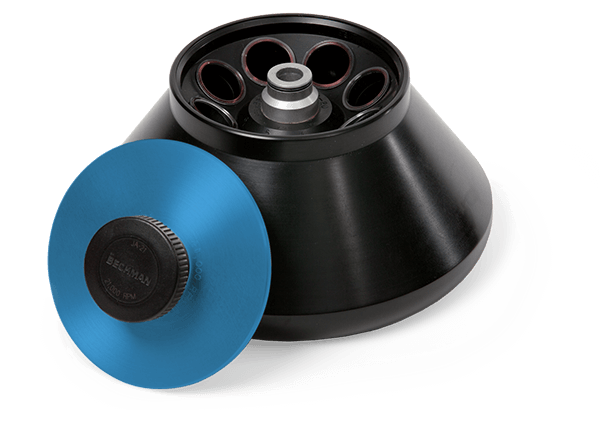
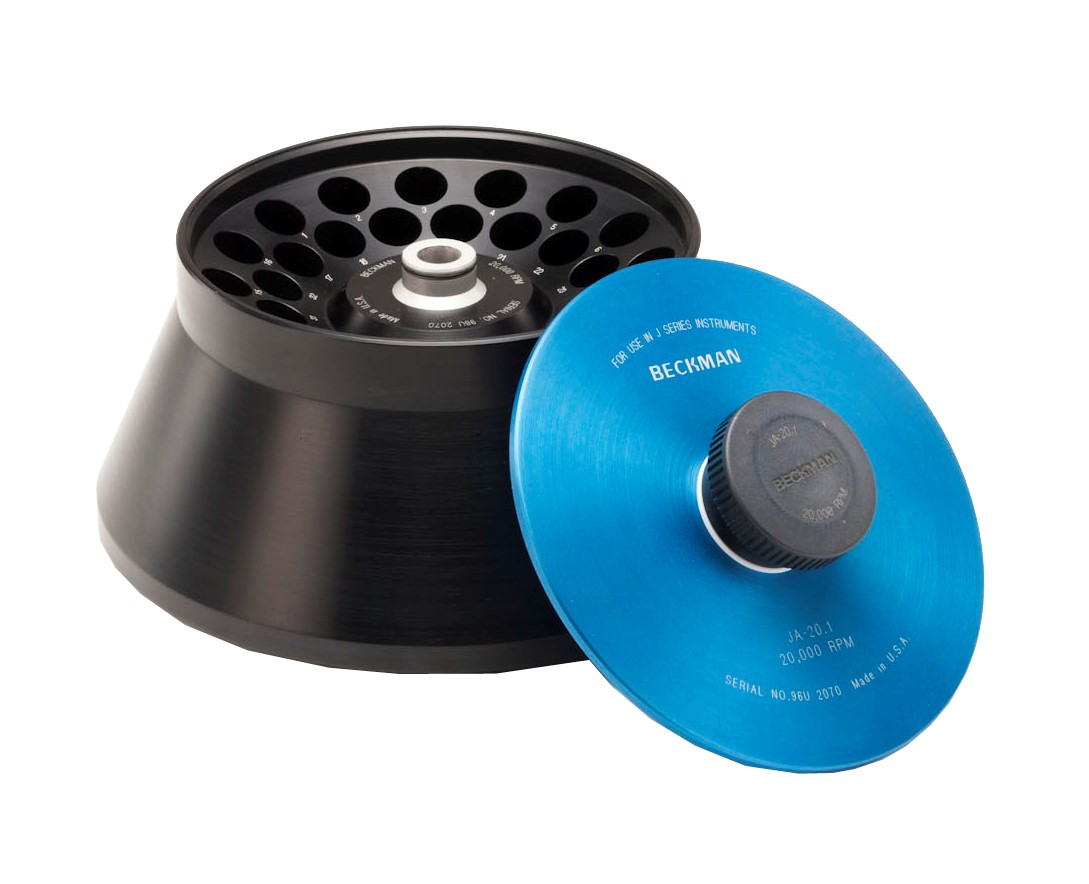
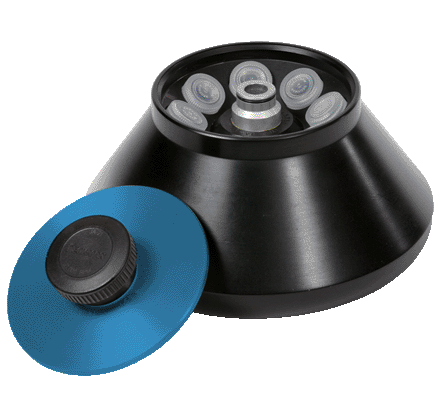
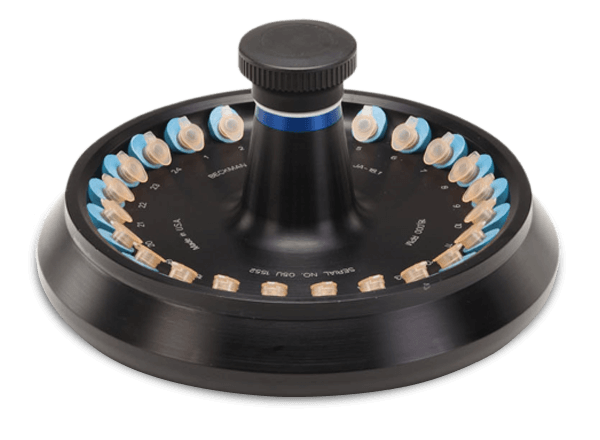
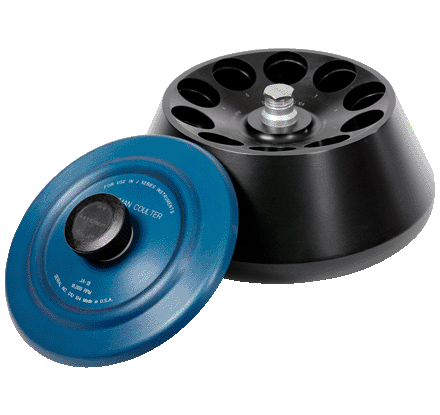
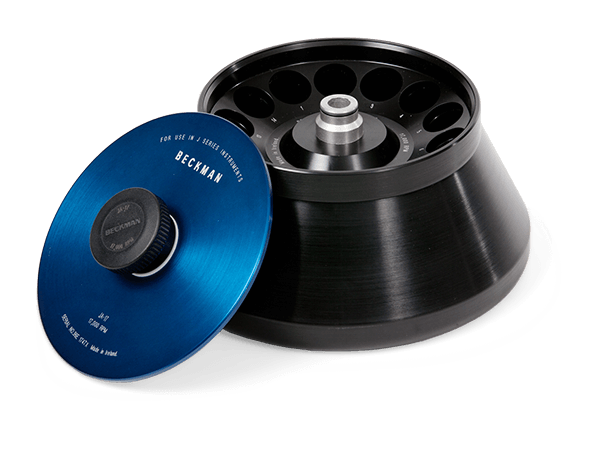
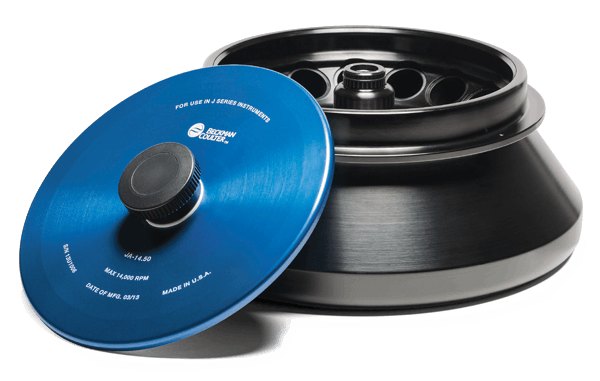
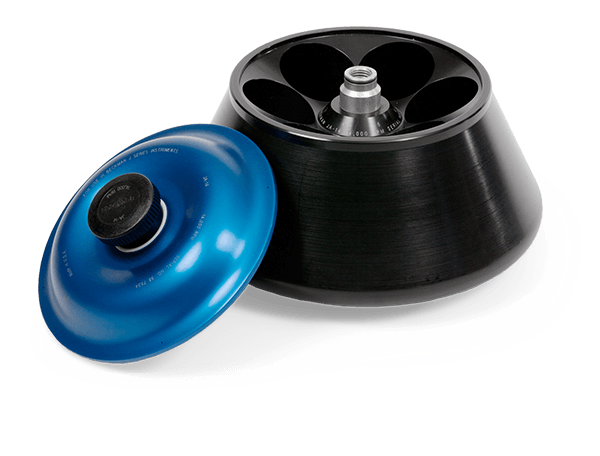
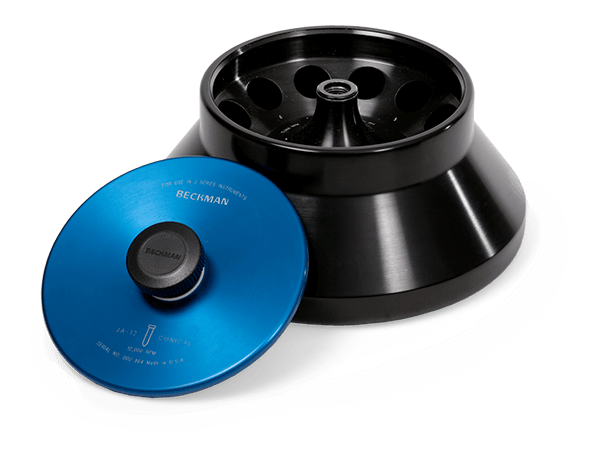
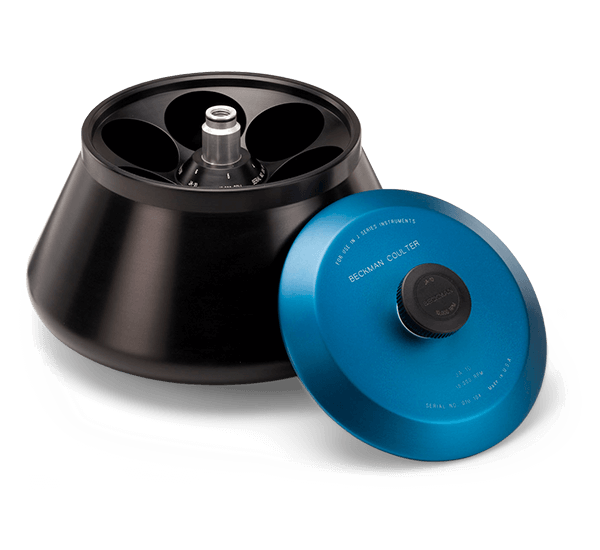
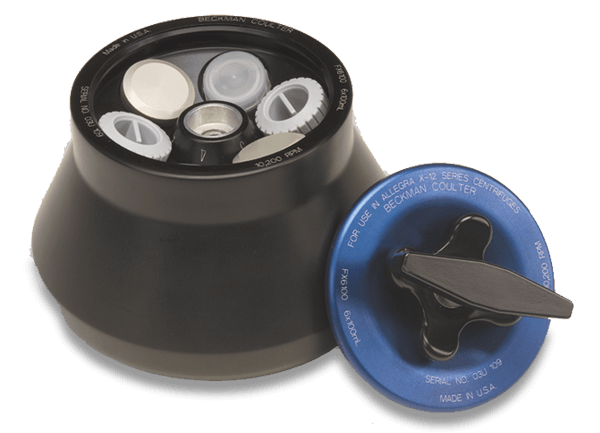
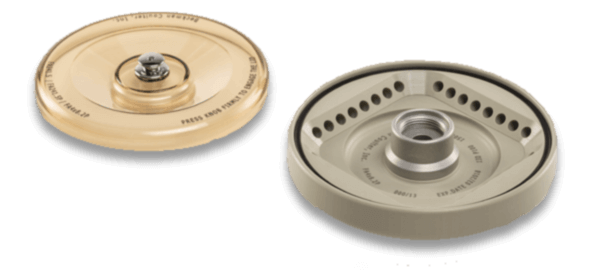
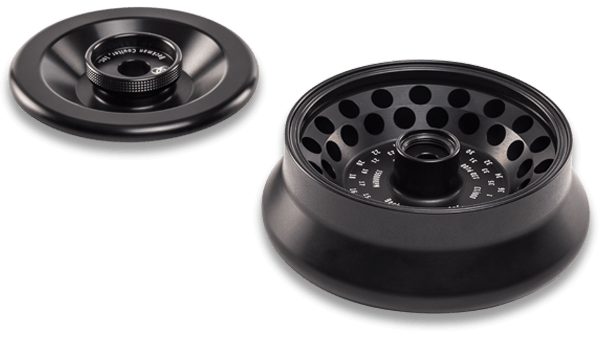
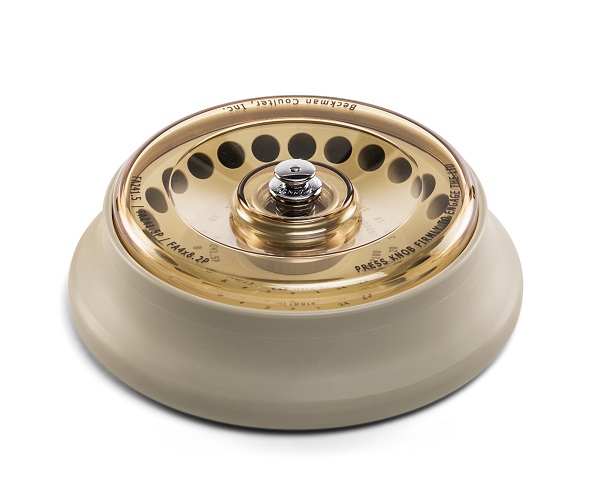
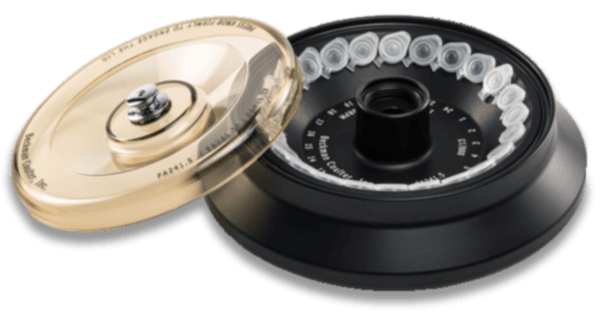
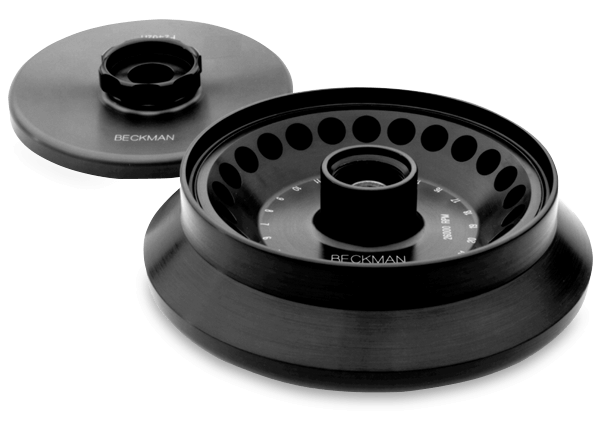
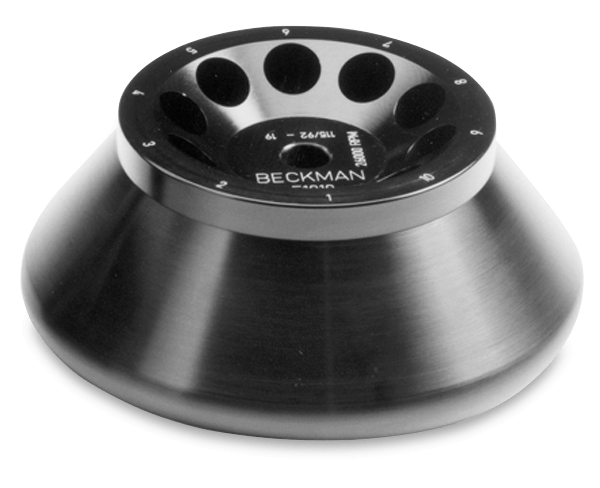
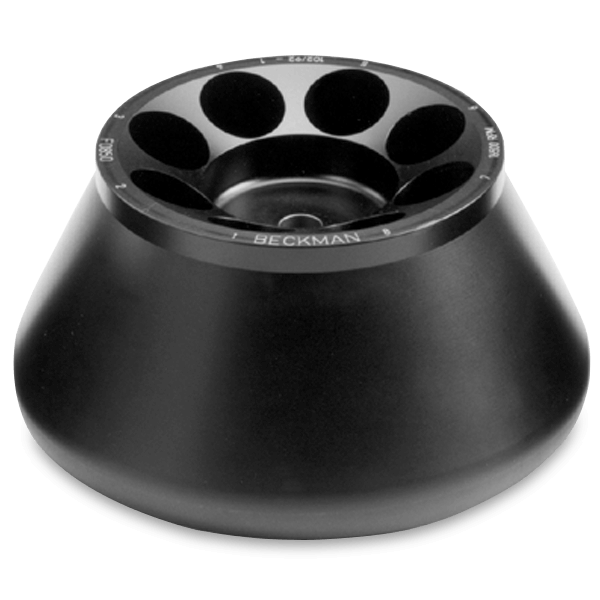
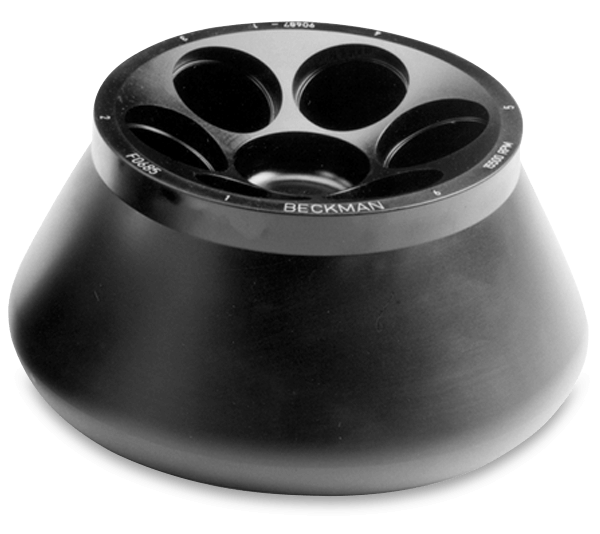
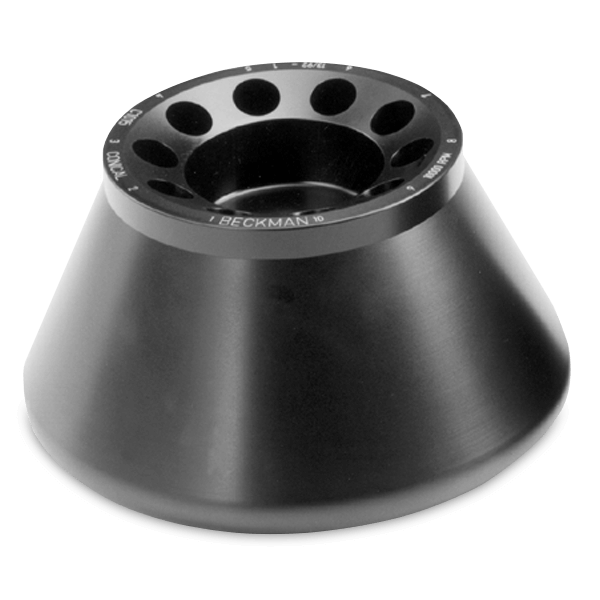
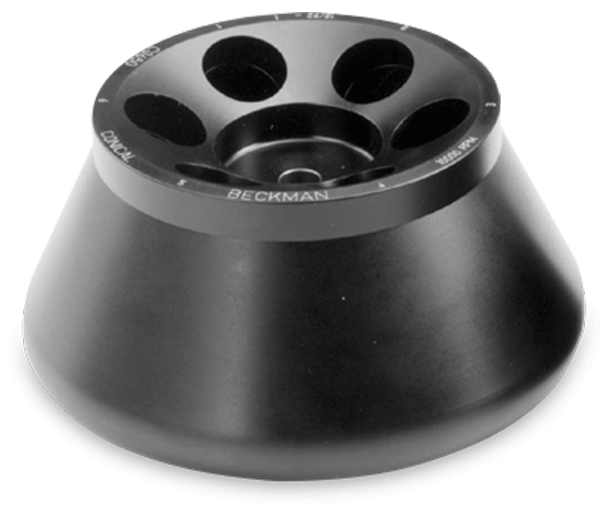
Fixed-angle rotors are among the most widely used rotor types in laboratory centrifugation. Designed with tube cavities positioned at a fixed angle relative to the axis of rotation, these rotors enable efficient particle pelleting and rapid sample separation across a wide range of applications.
Fixed-angle centrifuge rotors are commonly used for cell harvesting, protein precipitation, nucleic acid purification, microbial pelleting, and subcellular fractionation. Because particles travel a shorter distance to the tube wall during centrifugation, fixed-angle rotors often provide faster sedimentation and shorter run times than swinging-bucket rotor designs.
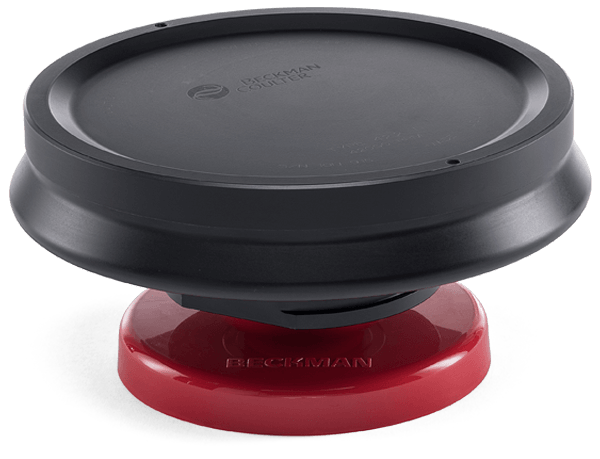
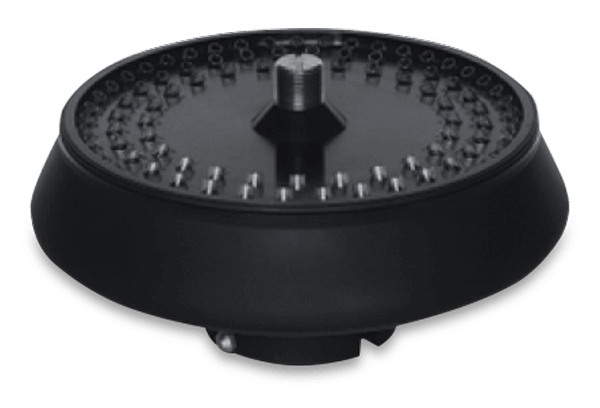
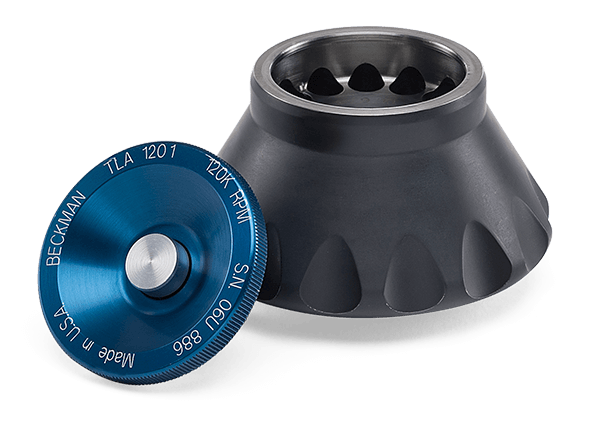
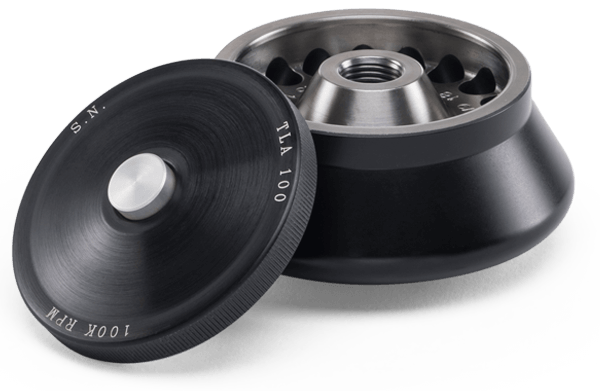
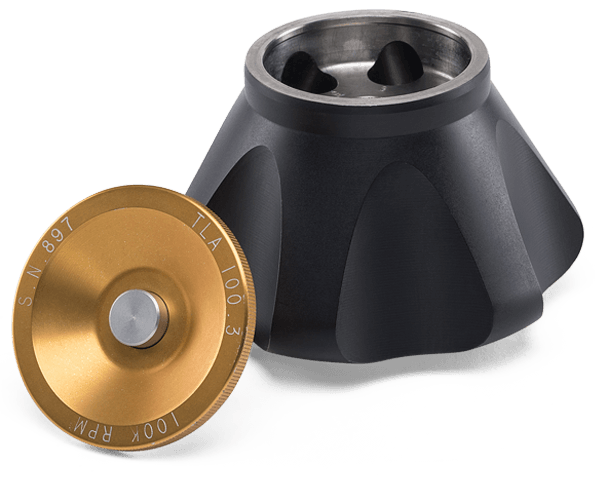
Beckman Coulter Life Sciences offers a broad portfolio of fixed-angle rotors for ultracentrifuges, high-speed centrifuges, and general-purpose centrifuges. Rotor selection depends on factors such as sample volume, maximum speed, relative centrifugal force (RCF), and k factor, all of which influence separation performance and processing efficiency.














FAQ on Fixed-Angle Rotors
What are the advantages of a fixed-angle rotor?
Fixed-angle rotors are designed to shorten the distance particles must travel before sedimenting. This can reduce centrifugation times and improve pelleting efficiency. They are frequently selected for cell harvesting, microbial culture processing, nucleic acid isolation, and protein precipitation workflows where fast and reliable separation is important.
What is the difference between a fixed-angle rotor and a swinging-bucket rotor?
In a fixed-angle rotor, tubes remain at a fixed position during centrifugation, making the rotor well suited for rapid pelleting applications. In a swinging-bucket rotor, tubes swing outward to a horizontal position during operation, providing longer sedimentation paths that can improve resolution for density gradient separations. Fixed-angle rotors are typically preferred for pelleting, while swinging-bucket rotors are often selected for separation and gradient-based applications.
What is a fixed-angle rotor?
A fixed-angle rotor is a centrifuge rotor in which sample tubes remain positioned at a constant angle, typically between 20° and 45°, throughout centrifugation. During operation, particles move outward toward the side and bottom of the tube, forming a pellet along the tube wall. Fixed-angle rotors are commonly used when rapid pelleting and high throughput are required.
How do I choose the right fixed-angle rotor?
Selecting the appropriate fixed-angle rotor depends on several factors, including sample volume, desired throughput, maximum speed, required RCF, tube compatibility and separation goals. For demanding applications, evaluating rotor capacity and k factor can help identify the most efficient option for achieving target separation performance.
What is the k factor of a centrifuge rotor and why is it important?
The k factor is a rotor performance parameter that indicates the relative efficiency of a rotor for particle sedimentation. Lower k factor generally correspond to shorter centrifugation times because particles can sediment more quickly. When comparing fixed-angle rotors with similar speed and capacity specifications, the k factor can help determine which rotor may provide more efficient separations for a given application.
Learn More